Irregular movement
Learn usual movement between rooms and flag a meaningful change for an agreed family contact to check in.
The hardest part of caring for an ageing parent is not knowing whether a quiet afternoon is a peaceful one or a worrying one. Lotus Smart Living Pte Ltd uses non-camera sensors to help families notice changes in movement, daily routines and home conditions, without filming a senior in their own HDB flat.
Quiet can feel uncertain.
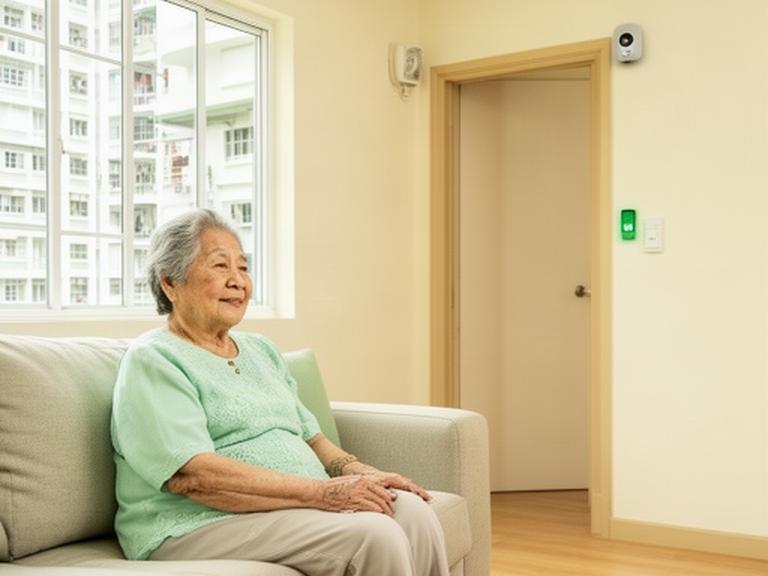
Sensors report selected activity and environmental readings. They do not identify a person or confirm what happened during an event.
Each home has its own rhythm. We start with what a senior wants help with, then tune alerts after a settling-in period instead of treating the first few days as a baseline.
Learn usual movement between rooms and flag a meaningful change for an agreed family contact to check in.
Set a time window that fits the senior's routine. A quiet period outside that pattern can prompt a gentle check.
A sudden or unusual movement pattern can trigger an alert. Sensors cannot confirm a fall or replace an in-person assessment.
Notice repeated night-time movement that differs from the established routine, without recording images or sound.
Use spoken or device reminders at times the senior chooses, with family follow-up only if they agree.
Keep an eye on air quality, temperature and humidity so a family member can respond to a reading that needs attention.
Presence and motion sensors can register activity in a zone. Environmental sensors can report readings such as temperature or humidity. The setup can work without capturing images.
No images are captured. A sensor cannot tell you why someone moved, diagnose a health condition or confirm that a person is safe. Alerts are prompts for a human to check in.
The senior is briefed before activation and can ask questions, agree to the selected sensors and take part in deciding who receives alerts.
Read our responsible AI and privacy approachChoose the right contact and response for each alert. Quiet hours can prevent routine night-time activity from creating unnecessary noise.
The order is yours.
A device can remind the senior to check in or respond, using the prompt agreed during setup.
Depending on the setup, the prompt can be a spoken assistant message or a notification on an agreed device.
If a selected signal needs attention, the first nominated caregiver receives a notification to check on the senior.
Set a preferred notification route during assessment, and review it when the family contact changes.
If the first contact is unavailable, the plan can include another family member or caregiver.
Decide who follows up and when. The system does not confirm that a person has reached the flat.
A panic button can send an alert to the selected contacts. If the senior cannot respond or the situation appears urgent, contact Singapore emergency services directly. This system does not replace emergency response or professional care.
Set medication prompts around the schedule provided by the senior or caregiver, including the times that fit with meals. Add appointments for a polyclinic, hospital or Active Ageing Centre visit.
Keep the routine familiar.
Reminder times must follow the senior's own instructions or care plan. Reminders help with organisation; they are not medical advice and do not confirm that medication was taken.
A small change at home can matter to a senior. Readings can be shared with agreed caregivers, with a simple indicator the resident can understand without opening an app.
Check selected indoor air readings during haze periods or when windows stay closed and air-conditioning is running.
Set alerts for conditions that the household wants to review, especially in rooms without consistent cooling.
Selected kitchen signals can complement a wider HDB smart home setup. They do not replace safe cooking habits or supervision where needed.
Small changes matter. Sensors report their readings; a caregiver decides what action makes sense for the person and the home.
Talk through the flat, the senior's daily routine and who should receive an alert. We plan the setup with the person living at home, then adjust it as they get used to the system.
Start with a conversation.
Speak with the Lotus Smart Living Pte Ltd team at Stirling Road, Singapore 141050. We help families plan senior home monitoring for HDB flats across Singapore.